
Views: 0 Author: Site Editor Publish Time: 2025-10-07 Origin: Site


Are you struggling to find reliable CNC drilling tapping machine center suppliers? The importance of obtaining accurate quotes cannot be overstated. As CNC machines play a pivotal role in modern manufacturing, selecting the right one for your needs is crucial.
In this article, we will guide you through how to effectively obtain, evaluate, and negotiate CNC machine quotes. You will learn how to compare pricing structures, assess machine quality, and avoid common pitfalls in the process.
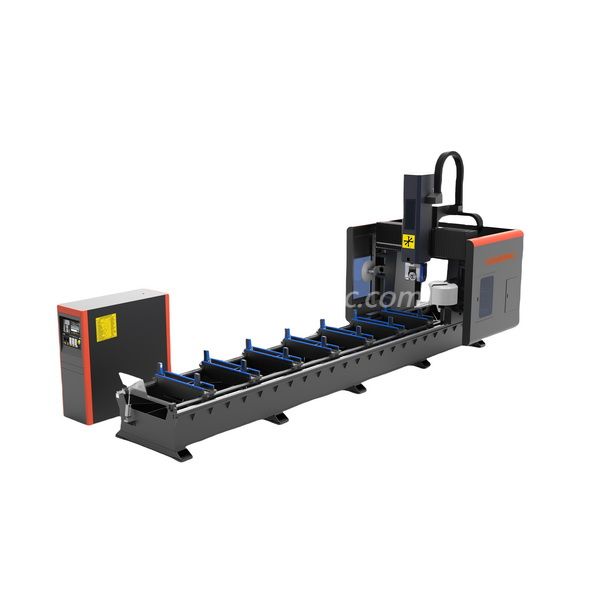
Before embarking on the process of sourcing CNC drilling tapping machines, it's crucial to conduct thorough market research. The Chinese CNC machining industry is vast and highly competitive, with numerous suppliers offering machines at varying price points. Understanding the market’s pricing trends is essential to ensure you're not overpaying.
The first step in your market research is identifying reliable suppliers. Platforms like Made-in-China.com and Alibaba provide access to a wide range of manufacturers, allowing you to compare different options. Additionally, reading customer reviews, industry reports, and verifying certifications such as ISO 9001 can help you gauge a supplier's reliability. Consider focusing on suppliers who specialize in CNC drilling and tapping machines, as their experience will likely result in better product quality and customer service.
Beyond identifying suppliers, understanding price fluctuations in the CNC machine market is important. Prices can vary depending on raw material costs, labor availability, and even global market trends, such as steel prices. Being aware of these trends will allow you to spot a fair price when comparing quotes.
Once you’ve identified potential suppliers, the next step is to define your machine requirements clearly. The more specific you are, the more accurate the quotes will be. Here are key factors to consider:
Machine Type: Determine whether you need a standard drilling and tapping machine or a multi-functional center. A multi-functional center may cost more but provide additional features that can be beneficial for more complex projects.
Material Compatibility: Identify the materials the machine will be handling. Whether you need it to work with metals, plastics, or composites, the machine’s capabilities must align with the materials used in your production process.
Precision and Tolerance: For projects requiring tight tolerances, specify the level of precision you need. Machines with higher precision typically cost more but are essential for parts with stringent quality requirements.
Automation Features: If your production line requires high automation, be sure to request machines equipped with features like tool changers or pallet changers. Automation reduces labor costs and increases production efficiency but may increase initial investment.
Clear specifications not only help suppliers provide accurate quotes but also ensure that the machine will meet your production needs. Furthermore, if your machine requires specialized components or specific certifications, be sure to include these in your request.
Tip: Provide detailed drawings and specifications to suppliers, as this will help them give a more accurate quote and avoid misunderstandings.
CNC machines are complex, and ease of operation is critical for long-term productivity. The machine should have a user-friendly interface, making it easy for operators to learn and use effectively. A complicated machine may require extensive training, resulting in downtime and additional costs.
Reliability is another critical factor. A machine that frequently breaks down or requires costly repairs will ultimately be more expensive in the long run. Before finalizing any decision, ask suppliers for information about the machine's expected lifespan, maintenance intervals, and any warranties offered.
One of the key strategies for obtaining competitive CNC drilling tapping machine quotes is to request proposals from multiple suppliers. By comparing different suppliers, you can get a sense of the price range in the market and determine if a particular supplier is offering a competitive price.
It’s important to ensure that each supplier understands your exact requirements. Miscommunication can lead to inaccurate quotes, making it harder to make an informed decision. When you send out quote requests, provide the same set of specifications to all suppliers to ensure consistency in the responses.
Additionally, it's essential to build a strong relationship with the suppliers. Suppliers who feel they have a solid partnership with a client may offer better terms or discounts, especially if you plan on placing multiple orders.
When preparing your quote request, make sure to include the following key information to help suppliers provide accurate pricing:
| Key Information | Details to Include |
|---|---|
| Machine Type and Specifications | Clearly specify the type of CNC machine, technical details such as spindle speed, axis travel, and automation features |
| Quantity | Define how many machines you need and whether you're interested in bulk orders |
| Delivery Timelines | Specify your expected delivery schedule, including shipping and installation times |
| Shipping and Installation | Clarify whether you need the supplier to handle shipping and installation services |
Providing a comprehensive request helps ensure that the quotes you receive are accurate and take into account all relevant factors.
While it’s tempting to focus on the lowest price, evaluating the total cost-effectiveness is more important. A cheap machine may end up costing more in the long run if it lacks reliability or requires frequent maintenance.
Consider the following factors when evaluating quotes:
Core Components: Check the quality of the CNC controller and other essential components. A cheaper controller might result in less precise machining or more frequent breakdowns.
Manufacturing Process: Assess the supplier’s manufacturing capabilities and processes. If a supplier uses advanced techniques and higher-quality materials, this can justify a higher price.
Delivered Costs: Be sure to include shipping costs, tariffs, and other fees in your cost comparison. These can vary significantly from one supplier to another.
Tip: Include all potential hidden costs, like shipping and installation, when evaluating quotes to get an accurate comparison.
The reputation of the CNC drilling tapping machine center supplier plays a significant role in determining the quality of the machine. A well-known brand with a strong reputation for delivering high-quality products will likely provide a machine with better durability, more reliable customer service, and better overall value.
Pay close attention to the quality of the machine's core components, such as the CNC controller, motors, and spindles. High-quality components typically lead to a more precise machine, which can improve your production quality and efficiency.
The technical capabilities of a supplier are critical in ensuring that your machine meets your production requirements. Evaluate the supplier’s expertise in handling complex processes such as multi-axis CNC operations or integration with CAD/CAM systems. A supplier with a deep understanding of advanced machining techniques will be able to provide machines that offer superior performance.
When evaluating CNC machine quotes, it’s important to consider the delivered costs, which include shipping, tariffs, and installation. Some suppliers may offer lower upfront prices but charge higher delivery or installation fees, so it's crucial to factor in all costs.
When evaluating quotes, it's important to understand the three main types of pricing structures used by CNC machine suppliers:
Fixed Pricing: With this structure, the price remains constant throughout the entire project. This can be beneficial if you want price certainty.
Time-and-Material Pricing: Charges are based on the actual labor and materials used during production. This structure works well for projects where the scope is uncertain or subject to change.
Cost-Plus Pricing: In this structure, the supplier adds a profit margin to the cost of production. This format can be more transparent, as it reflects the supplier's actual costs.
Understanding these pricing structures will allow you to select the most appropriate option for your project, depending on its scope and your risk tolerance.
Several factors influence CNC machining pricing, including:
Material Costs: The type of material used (e.g., steel, aluminum, or titanium) can significantly affect the price.
Labor Costs: Labor costs in China are relatively lower compared to other countries, but they still play a role in the overall price.
Overhead and Profit Margins: Suppliers must account for their overhead costs, such as factory maintenance and administrative expenses, when setting prices.
Effective negotiation is about creating a long-term relationship rather than focusing solely on reducing costs. By building a partnership with your supplier, both parties can benefit from better terms, pricing, and ongoing support. Start negotiations with the goal of mutual cooperation and transparency.
If you’re planning to place a large order or require machines on an ongoing basis, use this as leverage in your negotiations. Suppliers are often more willing to offer discounts for bulk orders or long-term contracts, which can lower the per-unit price.
Negotiation isn't just about reducing costs. It’s also about demonstrating the value of your project to the supplier. Whether through the promise of long-term business or a high-value contract, showing how your project aligns with the supplier’s business objectives can help you secure better terms.
One of the biggest pitfalls in CNC machine negotiations is not fully understanding all the costs involved. Hidden fees such as shipping, installation, and customs duties can quickly escalate the total cost of the machine. Always ask for a comprehensive breakdown of costs before finalizing any agreements.
Setting overly strict tolerances can increase the complexity and cost of manufacturing. If you don’t need extreme precision, consider relaxing the tolerance requirements to save costs. It's important to strike a balance between quality and affordability.
The cheapest CNC machine is not always the best value. A low-priced machine might have hidden costs, such as poor quality, reliability issues, or high maintenance costs. Always assess the total cost of ownership, including machine quality, service, and long-term reliability.
Successfully obtaining and evaluating CNC drilling tapping machine quotes requires careful research, clear communication, and strategic negotiation. By defining your requirements, obtaining multiple quotes, understanding pricing structures, and building strong supplier relationships, you can ensure that your project is both cost-effective and high-quality. Avoid common pitfalls and make informed decisions that will benefit your business in the long term. Onustec offers CNC machines known for their precision and durability, providing value through reliable performance and cost-effective solutions.
A: When requesting a quote from CNC drilling tapping machine center suppliers, include detailed specifications, machine type, required features, and delivery timelines to ensure accurate pricing.
A: Compare total cost, quality of core components, manufacturing process, and additional fees like shipping and installation when evaluating quotes from different CNC drilling tapping machine center suppliers.
A: Evaluating the reputation of CNC drilling tapping machine center suppliers helps ensure the quality, reliability, and long-term value of the machines you purchase.
A: CNC drilling tapping machine suppliers typically use fixed pricing, time-and-material pricing, or cost-plus pricing. Each structure has its benefits depending on your project's needs.
A: Build a long-term relationship, leverage volume orders, and clearly communicate the value of your project to negotiate better pricing and terms with CNC drilling tapping machine center suppliers.


