
Views: 0 Author: Site Editor Publish Time: 2026-07-22 Origin: Site


Investing in a high-performance CNC Automatic Saw represents a major capital expenditure for any fabrication shop. Its true value lies far beyond rapid cutting speeds. It hinges entirely on reliable uptime across a potential 100,000-hour operational lifespan. We must frame machine maintenance as a strategic Total Cost of Ownership (TCO) driver. It is never just a mundane shop-floor chore.
Ignoring daily upkeep invites microscopic mechanical wear. These small failures cascade into ruined materials and catastrophic production delays. This guide moves beyond basic sweeping and wiping. You will explore system-by-system diagnostic frameworks, identify hidden operational risks, and learn predictive asset strategies. We will show you exactly how to protect your high-end fabrication equipment for the long haul.
TCO Reduction: Structured maintenance directly prevents premature mechanical wear, saving tens of thousands in unexpected downtime and OEM repair costs.
Systematic Breakdown: Effective upkeep requires dividing the machine into specific zones: electrical, drive/guide, spindle/blade, and environmental control.
Avoiding Bad Habits: Common practices like over-lubrication or using compressed air actually degrade machine accuracy and lifespan.
Digital Integration: Leveraging IoT tracking and software backups shifts maintenance from reactive fixes to predictive asset management.
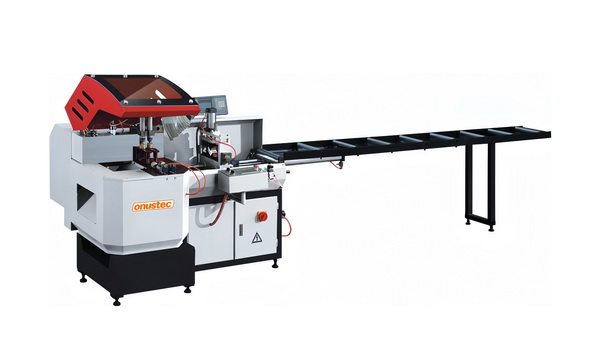
Unplanned downtime ruins profit margins. You face exponential repair costs when machine parts fail unexpectedly. Scheduled preventive care requires a fraction of this budget. A poorly maintained saw suffers from constant micro-vibrations. Alignment loss occurs gradually. They directly impact your material yield and degrade part quality.
Consider the 100,000-hour benchmark. Industrial CNC machinery is built to last a decade or more. Many units operate continuously without failing. However, you must meet strict baseline environmental and operational conditions to reach this milestone. Skipping routine checks guarantees a much shorter equipment lifespan.
How do we measure success? A strong maintenance program achieves zero unexpected halts. Cycle times remain highly consistent month after month. You capture an optimized OEE score. OEE stands for Overall Equipment Effectiveness. It tracks machine availability, cutting performance, and output quality. High OEE proves your maintenance strategy actually works.
Thermal shock prevention is mandatory. You must establish a daily spindle warm-up routine. Operators should run the spindle at lower speeds before cutting begins. This process brings internal bearings up to their proper operating temperature safely. It actively prevents premature metal wear and stress fractures.
Calibration checks require strict attention. If you operate a multi angle CNC automatic saw, routinely verify swivel head alignment. Check axis zero-points using precision dial indicators. You must prevent compounding angular deviations. Even a fraction of a degree causes rejected parts during complex angle cuts.
Coolant system integrity protects your tools. Monitor the coolant concentration daily. Measure fluid flow rates before starting shifts. Flush the reservoir tank monthly and clean internal filters. Clean coolant prevents thermal warping. It protects both the expensive saw blade and the raw workpiece.
Best Practice: Use a refractometer to measure coolant Brix levels daily.
Common Mistake: Topping off tanks using only water. This dilutes rust inhibitors and reduces lubricity.
Tension and alignment dictate cut quality. Regularly inspect all drive belts, roller chains, and ball screws. Proper tensioning remains critical for positional accuracy. This is especially true for a high-speed 3-axis CNC automatic saw. Loose belts cause axis backlash and dimensional errors.
Precision lubrication keeps motion smooth. Apply dry-film, silicone-based, or OEM-specified lubricants to all linear guide rails. Avoid standard heavy grease entirely in high-dust fabrication environments. Thick grease traps aluminum shavings. It acts like sandpaper against sensitive rails.
Voltage and power monitoring save expensive circuit boards. Use industrial surge protectors at the main power drop. Regularly inspect the main electrical cabinet. Look for loose terminal connections. Voltage fluctuations are the primary cause of sudden CNC control board failure.
Cabinet sealing is an absolute priority. Ensure your electrical cabinet seals remain perfectly intact. Check cooling fans daily to ensure they spin freely. You must prevent conductive metal dust from entering the enclosure. Dust easily shorts out exposed control panels.
Vacuum and pneumatic hold-downs secure the material. Inspect pneumatic hoses for tiny air leaks. Replace worn sacrificial gaskets regularly. Maximum clamping force is essential during aggressive high-speed cuts. Poor suction allows materials to shift, causing instant blade damage.
| Maintenance Task | Frequency | System Focus |
|---|---|---|
| Spindle warm-up & bearing temperature check | Daily (Pre-shift) | Spindle / Blade |
| Coolant level and concentration verification | Daily | Environmental / Tooling |
| Electrical cabinet fan inspection | Weekly | Controls |
| Guide rail cleaning and dry-film lubrication | Weekly | Drive Systems |
| Axis zero-point calibration check | Monthly | Precision Calibration |
The compressed air trap destroys machines. You must ban the use of high-pressure air guns for cleaning purposes. Compressed air forces abrasive dust past protective rubber seals. It drives metal chips deep into precision bearings and linear guides. Use dedicated industrial HEPA vacuums instead.
The over-lubrication risk catches many operators off guard. Applying too much oil creates massive problems. Heavy grease mixes easily into airborne cutting dust. It forms a highly destructive "abrasive sludge". This compound accelerates mechanical wear rather than preventing it. Apply only thin, precise layers of OEM-approved lubricants.
Improper consumable storage wastes capital. Implement strict 5S standards for spare blades and cutting tools. Store them in temperature-controlled, low-humidity environments. This prevents temper loss and surface rust. Use slotted wooden or plastic racks. Keep blades separated to avoid micro-fractures from physical impact.
Best Practice: Coat stored blades lightly in anti-rust preventative oil before placing them in slotted racks.
Common Mistake: Stacking expensive carbide blades flat on top of each other in a metal drawer.
Managing heavy-duty operations demands aggressive material handling. Running a heavy duty CNC automatic saw generates massive volumes of scrap. Inspect automated chip conveyors every single day. Clear out any trapped debris. You must prevent localized heat buildup. Routine clearing stops unexpected mechanical jamming.
Foundation and leveling checks maintain your geometry. A large CNC automatic saw remains highly susceptible to microscopic foundation settling. Concrete shop floors shift over the years. Schedule annual professional leveling. Run thorough tramming checks. Ensure the massive machine bed hasn't twisted over time.
Vibration analysis catches hidden motor stress. Monitor the machine closely for abnormal tool chatter. Large-scale cuts amplify minor physical issues. Unbalanced or dull saw blades cause severe harmonic vibrations. These intense vibrations travel through the spindle. They severely damage your primary drive motors if left unchecked.
IoT and sensor integration modernize your shop floor. Utilize built-in machine sensors. They track spindle loads, cycle times, and error rates in real-time. Sudden spikes in amp load often indicate bearing fatigue. They reveal blade dulling long before human operators notice a problem. Predictive data stops failures before they happen.
Software updates and backups protect your programming. Keep your CNC control software fully patched. Updates ensure optimal logic processing. Schedule weekly automated backups for custom cutting programs. Save unique machine parameters to secure external drives. This prevents catastrophic data loss during sudden local power failures.
The "Three-Check" Safety System creates operational accountability. Implement a strict operator Standard Operating Procedure (SOP). It involves three distinct phases:
Pre-shift Diagnostics: Operators verify coolant levels, vacuum seals, and clear the rail paths.
Mid-shift Diagnostics: Operators actively listen for abnormal harmonic noises. They watch for unexpected vibration patterns during heavy cuts.
Post-shift Diagnostics: Operators vacuum all dust. They log historical error codes and refine upcoming maintenance schedules based on the day's performance.
Successful fabrication shops embrace a total shift in mindset. They move away from reactive repair. They adopt proactive asset management. Protecting the high ROI of a CNC saw requires deliberate effort. It demands a blend of strict physical protocols, stable environmental controls, and continuous data monitoring.
Your equipment deserves systematic care. Implement the three-check safety system today. Ban compressed air cleaning entirely. Transition to dry-film lubricants tailored for high-dust settings. These small operational shifts compound into decades of reliable machine life.
We recommend you take immediate action. Audit your current shop-floor maintenance checklists against exact OEM specifications. Update any outdated procedures. Finally, consider scheduling an annual professional inspection. Bring in a certified technician to recalibrate your equipment and restore perfect cutting geometry.
A: Baseline checks should be monthly, but heavy production environments or specialized multi-axis machines may require bi-weekly verification to maintain tight tolerances.
A: Rough finishes are typically early warning signs of tool wear, compromised spindle bearings (vibration), or inadequate coolant delivery causing heat distortion.
A: Generally, no. Standard grease traps dust and creates grinding sludge. Always default to the OEM’s recommended lubricant, often a specific dry-film or lightweight synthetic oil.
A: Complete dust and chip evacuation using a vacuum system (not compressed air) and a visual inspection of coolant/lubrication levels before initiating the spindle warm-up.


