
Views: 0 Author: Site Editor Publish Time: 2025-10-27 Origin: Site


In modern manufacturing, the selection of the right machining center horizontal configuration can significantly influence production efficiency, part accuracy, and workflow integration. At Onustec Group, we specialize in high-end aluminium and façade machinery, combining German engineering expertise with advanced control systems to deliver robust, reliable, and highly versatile horizontal machining centers. Understanding the various horizontal architectures, workholding options, and operational features is essential for manufacturers aiming to optimize throughput, reduce downtime, and maintain consistent quality across complex production processes. Choosing the correct configuration is not just about machine size; it involves evaluating the type of spindle, workholding method, automation compatibility, and maintenance requirements to achieve the best return on investment.
Horizontal machining centers (HMCs) come in a range of spindle configurations to meet diverse production requirements. A single-spindle HMC is ideal for flexible production and handling medium-to-large parts. Its simplicity ensures straightforward programming, reduced maintenance, and efficient use of floor space. This type of configuration allows manufacturers to focus on precision and adaptability, especially for custom or low-volume production runs where part setup flexibility is essential.
In contrast, twin-spindle HMCs provide simultaneous machining on two workpieces, significantly increasing throughput for high-volume operations. Twin-spindle configurations reduce idle time between operations and allow continuous cutting cycles, which can drastically enhance shop productivity without compromising precision. This setup is particularly advantageous in aerospace and automotive industries, where high repeatability and strict tolerances are required for large batches of similar parts.
Gang-tooled HMCs offer multiple cutting tools on a single spindle, enabling complex multi-axis operations without frequent tool changes. These systems are particularly useful for high-mix, medium-volume production where part variety demands rapid adaptability. The gang-tool approach reduces cycle time by keeping multiple tools ready for sequential operations on a single workpiece. Onustec’s horizontal centers are designed to seamlessly support all three configurations, ensuring tailored solutions for every manufacturing need.
Workholding systems play a crucial role in maximizing HMC efficiency. Palletized workholding allows multiple workpieces to be loaded and unloaded offline, enabling continuous operation even when one pallet is being set up. This configuration is optimal for lights-out manufacturing, where automation minimizes human intervention and maximizes machine uptime. Pallet systems can be combined with robotic loading stations or automated guided vehicles, further enhancing operational efficiency in large-scale facilities.
Tombstone workholding involves vertically mounted fixtures that hold multiple parts simultaneously on a single table. This setup is highly suitable for batch production, allowing simultaneous machining on several faces of each part. Tombstone fixtures are especially useful for machining multiple identical parts, reducing the number of setups and improving consistency. The choice between palletized and tombstone systems depends on production volume, part complexity, and automation goals. Onustec Group integrates both options into its HMCs to offer a balanced approach between flexibility and efficiency.
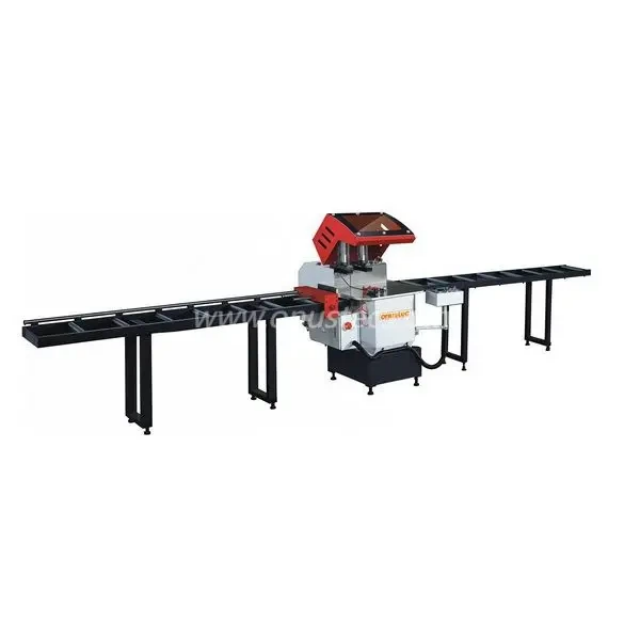
A robust mechanical foundation is essential for maintaining precision in horizontal machining. Linear guideways provide smooth, low-friction motion, enhancing accuracy and repeatability, while the choice between ballscrew and roller screw systems affects both speed and load capacity. Ballscrews offer excellent cost-effectiveness and accuracy for general operations, whereas roller screws support higher loads and longer operational life in heavy-duty applications.
Spindle taper and power are equally critical. High-power spindles allow deeper cuts at higher feed rates, while precision taper interfaces ensure consistent tool holding with minimal runout. Onustec HMCs leverage premium spindles and high-rigidity guideways to maintain optimal cutting performance under demanding production cycles. Advanced spindle cooling systems and vibration dampening mechanisms further improve performance in high-speed or continuous operations.
Advanced control systems are the backbone of modern horizontal machining centers. Sophisticated CNC controls provide precise motion coordination, adaptive feedrate adjustment, and seamless integration with external automation. Intuitive HMI interfaces facilitate easy programming, monitoring, and troubleshooting, reducing operator training time and enhancing overall shop floor productivity.
Probing packages enable in-process measurement and automatic tool offsets, reducing setup times and ensuring consistent part quality. Integrated probing allows automatic alignment of parts, monitoring tool wear, and real-time adjustment of cutting parameters. Onustec incorporates leading CNC solutions from Siemens, fully optimized to interface with its horizontal machining platforms, supporting robust, error-free operations and maintaining tight tolerances in complex production tasks.
Horizontal machining centers excel in environments that require minimal operator intervention. Their orientation simplifies integration with robots and pallet handling systems, making them ideal for lights-out production. Automated part loading, unloading, and in-process inspection ensure continuous machining with reduced human oversight, translating into lower labor costs and increased throughput. Onustec’s HMCs are specifically designed for seamless automation integration, offering versatile accessibility for robotic arms, automated guided vehicles, and pallet transfer units. This makes them suitable for both high-volume production and small batch jobs where production scheduling flexibility is key.
Efficient chip evacuation is a defining feature of horizontal configurations. Gravity-assisted chip flow moves swarf away from the cutting zone, preventing tool wear, reducing the risk of workpiece damage, and minimizing cleaning efforts. Maintenance routines also benefit from this layout, as critical components such as ball screws, guideways, and spindles remain cleaner and more accessible, extending their operational lifespan. Onustec machines incorporate advanced chip conveyors, coolant systems, and maintenance-friendly layouts to ensure reliable long-term performance. Predictive maintenance tools integrated into the CNC interface can alert operators to potential issues before they affect production, further reducing downtime.
Seamless integration of pallet pools and robotic automation allows manufacturers to optimize material handling, reduce idle times, and maintain consistent production cycles. Onustec HMCs are designed with flexible modular interfaces to support FMS (Flexible Manufacturing System) configurations, enabling quick retrofits, multi-machine coordination, and scalable production layouts. Connectivity standards, such as Ethernet-based communication protocols and open CNC interfaces, ensure smooth interoperability with existing automation systems. By combining horizontal HMCs with pallet pools and robotic cells, manufacturers can achieve higher throughput, reduce labor dependency, and improve overall plant efficiency.
Even a high-quality horizontal machining center can underperform if layout considerations are neglected. Under-sized work envelopes restrict part size flexibility and may necessitate frequent repositioning, reducing productivity. Similarly, poor chip conveyor planning can lead to chip accumulation, tool damage, and unplanned downtime. Other common pitfalls include insufficient access for maintenance, inadequate clearance for automation, and poorly planned coolant flow paths. Onustec provides expert guidance on HMC layout design, ensuring optimized work envelopes and chip management systems tailored to production requirements.
Selecting the appropriate machining center horizontal configuration is a strategic decision that impacts throughput, accuracy, and operational efficiency. Onustec Group combines German craftsmanship, advanced mechanical design, and integrated control systems to deliver HMCs that cater to diverse manufacturing environments, from single-piece flow to automated high-volume production. Our solutions prioritize flexibility, precision, and ease of integration with modern automation systems. For manufacturers seeking to optimize their shop floor with high-performance horizontal machining centers, we encourage you to explore our product range and contact us for detailed specifications and professional guidance.
1. What are the main benefits of a horizontal machining center over a vertical one?
Horizontal configurations offer superior chip evacuation, better spindle accessibility for automation, and enhanced rigidity for large parts, making them ideal for high-volume and complex operations.
2. How does palletized workholding improve efficiency?
Palletized systems allow offline part setup, minimizing machine idle time and enabling continuous operation, which is critical for automated or lights-out production.
3. Which spindle configuration is best for small-batch, high-mix production?
Single-spindle HMCs with gang tooling are highly flexible, providing adaptability for varied part geometries while maintaining precision.
4. Can Onustec HMCs integrate with existing robotic systems?
Yes, all Onustec horizontal centers are designed for seamless integration with pallet pools, robots, and FMS setups, supporting scalable automation and optimized material handling.

