
Views: 500 Author: Onustec Group Publish Time: 2026-01-17 Origin: Site


Pressure testing is essential for ensuring the reliability and performance of complex CNC(Computer Numerical Control) parts. In CNC machining, precision is crucial, and pressure testing helps detect weaknesses that might not be visible in standard inspections. By performing these tests, manufacturers ensure CNC parts are pressure-tight, preventing failures and optimizing functionality. In this article, Onustec will discuss the best methods to pressure test CNC parts, providing actionable insights to optimize your testing processes and guarantee quality.
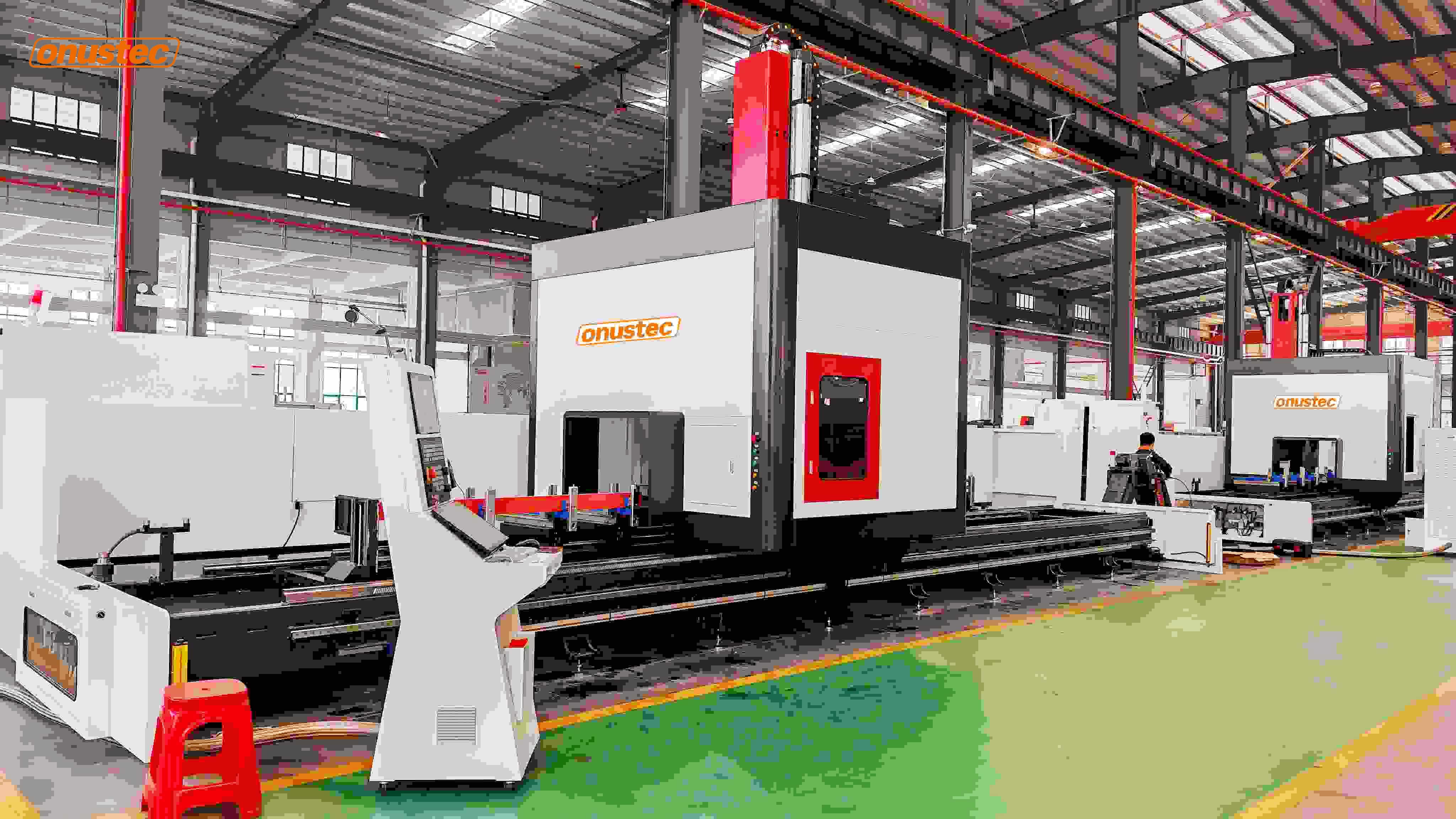
Leak detection is essential in ensuring the integrity of CNC machined parts, especially those involved in fluid or gas containment. Even small imperfections, such as porosity, can lead to significant operational failures if left undetected. Pressure testing identifies leaks that can result from these defects, ensuring that the part is capable of withstanding operational pressures without leakage. With proper leak detection, manufacturers can prevent potential failures, reduce downtime, and enhance product durability.
Pressure testing helps improve the overall durability of CNC parts by identifying weak spots that could lead to internal corrosion, mechanical failure, or deformation. When a part is subjected to pressurized fluid or gas, it undergoes stress that can reveal vulnerabilities in material or structure. By performing pressure tests early in the manufacturing process, manufacturers can identify these weak areas and make necessary adjustments or repairs, ensuring the final part is robust and long-lasting.
Early detection of defects during pressure testing can lead to significant cost savings. Identifying leaks or structural issues before the part is released for final assembly can prevent costly rework, scrap material, and delays. With timely pressure testing, manufacturers can correct issues promptly, minimizing the risk of more expensive repairs later in the production process. This proactive approach helps maintain cost efficiency while ensuring high-quality parts are delivered to customers.
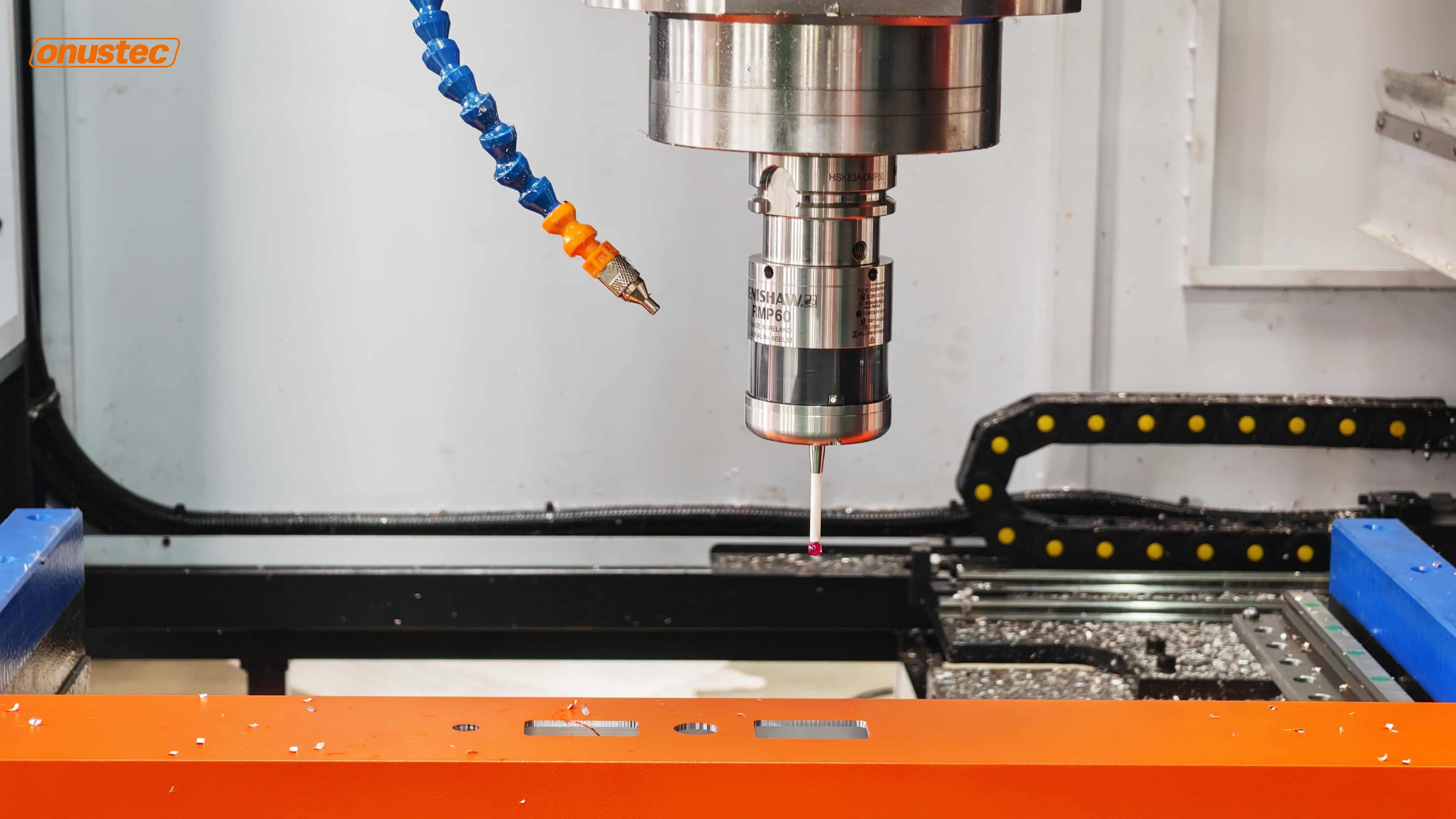
The air decay method is one of the most commonly used pressure testing techniques for CNC parts. In this method, air is pressurized into the component, and the pressure is monitored for a drop over time. The test measures how much air escapes from the part, indicating the presence of any leaks. The typical pressure used ranges from 5 psi to 90 psi, depending on the part's complexity and material. The simplicity of the air decay method makes it a cost-effective solution for leak detection, especially for smaller parts or less complex geometries.
Mass Flow testing is particularly useful when manufacturers need to ensure that parts have tight seals, preventing leaks that can cause system failures. It uses a precise pressure gauge to monitor the air flow into the part. Below is a detailed breakdown of its technical specifications and applications.
| Testing Aspect | Details | Application | Technical Specifications | Key Considerations |
|---|---|---|---|---|
| Pressure Range | 20 psi | Used for ensuring tight seals in complex parts | Testing pressure: 20 psi | Ideal for ensuring tight seals in parts with complex geometries |
| Leak Detection | Monitors air flow rate to detect leaks | Commonly used in automotive, aerospace, and high-performance parts | Small leak rate: +5 sccm (Standard Cubic Centimeters per Minute) | A small leak rate is acceptable in some cases |
| Application | Parts requiring high precision and tight seals | Ideal for parts like engine components or aerospace parts | Leak detection through a precise pressure gauge | Requires high-precision equipment and proper sealing |
| Testing Duration | Short duration, typically under 1 minute | Best for parts requiring fast but accurate testing | Time varies based on part geometry and customer specifications | Testing speed depends on part size and complexity |
Tip:For parts that require very tight sealing or precision, Mass Flow testing is the best method, ensuring that leaks are detected even at very low flow rates.
Air Under Water testing is simple to implement and very effective for visually detecting leaks. It is best suited for small or complex CNC machined parts where a visual inspection can quickly identify leaks. Below is a comprehensive breakdown of its advantages, technical specifications, and key considerations.
| Testing Aspect | Details | Application | Technical Specifications | Key Considerations |
|---|---|---|---|---|
| Testing Environment | Submerged in a water tank | Best for parts with complex geometries | Requires water tank with underwater lighting | Visual inspection can be impacted by water clarity and lighting |
| Leak Detection | Detects bubbles rising to the surface | Ideal for detecting leaks in complex, small parts | Bubbles indicate leaks through microscopic holes | Works well for visual verification in small parts |
| Pressure Range | Low to moderate pressure | Suitable for parts that require visual confirmation of leak tightness | Pressure can be adjusted based on part size | Requires sealed part to avoid water contamination |
| Applications | Components with complex internal structures | Commonly used in small components, such as small mechanical assemblies | Ideal for checking high-precision parts | Best suited for parts with intricate internal designs or geometry |
Tip:Air Under Water testing is a quick and reliable method for visual leak detection in high-precision parts, especially when testing parts with intricate designs or internal channels.
Pressure testing should be conducted at critical stages in the production process to ensure the part’s functionality. Most commonly, pressure testing is performed after assembly, machining, or post-processing steps like vacuum impregnation. This allows manufacturers to seal any internal cavities or leaks before final testing. Performing pressure tests after assembly ensures that any components, seals, or joints are functioning properly, preventing any leaks that may compromise the part's performance.
Proper sealing of parts and use of appropriate fixtures are essential to obtaining accurate pressure test results. If a part is not adequately sealed during testing, air or fluid can escape at unintended points, leading to false readings. Using custom fixtures designed to securely hold parts during pressure testing ensures that the test is accurate and that no external factors affect the results. Sealing all openings, such as ports and channels, is crucial to maintaining test integrity, ensuring that only the designated testing paths are subjected to pressure.
Poka-yoke is a Japanese term that refers to error-proofing methods designed to eliminate mistakes in assembly. This approach can be applied during pressure testing to ensure that the assembly process is performed correctly and consistently. By incorporating poka-yoke techniques, manufacturers can verify that all components are correctly installed and that the part meets the required specifications before pressure testing begins. This methodology not only improves the accuracy of pressure testing but also ensures that the final part is functional and reliable.
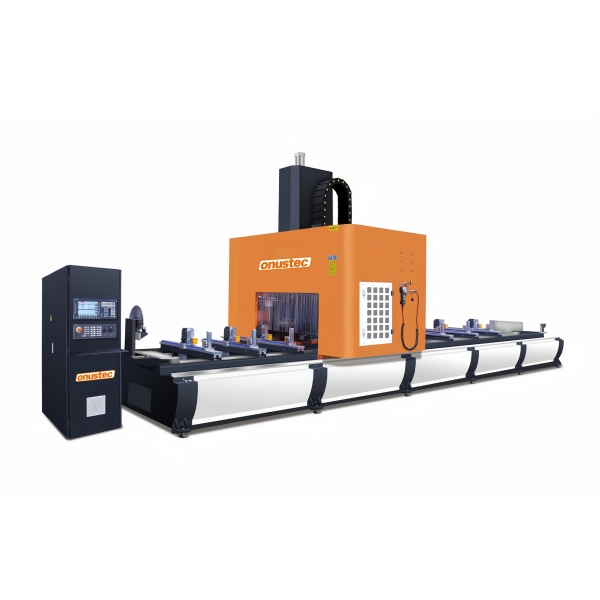
Choosing the appropriate pressure range for testing each part is crucial for achieving reliable results. The pressure values should align with the part’s design specifications, operational conditions, and material properties. Over-pressurizing a part during testing can lead to unnecessary damage, while under-pressurizing may fail to identify certain defects. Understanding the specifications and testing requirements ensures that the pressure limits are set correctly, maximizing testing efficiency without compromising part integrity.
Automation in pressure testing can significantly enhance the precision and efficiency of the process. Automated leak detection systems can quickly identify small leaks that may be difficult to detect manually, providing consistent and repeatable results. This technology minimizes human error and increases throughput, allowing for faster testing cycles and more reliable outcomes. By incorporating automation, manufacturers can streamline the testing process, reduce labor costs, and improve overall part quality.
Before conducting pressure tests, it is essential to ensure that parts are clean and free from contaminants that could affect the results. Residues from machining or handling can interfere with the accuracy of pressure readings and lead to false negatives. Additionally, regularly calibrating testing equipment is vital for ensuring consistent performance. Accurate and reliable testing results depend on both clean parts and well-maintained equipment, so manufacturers should prioritize these aspects in their testing procedures.
Each pressure testing method has its advantages and applications. Air decay is ideal for simple, smaller parts where cost-efficiency is key. Mass flow testing provides greater precision and is suited for ensuring tight seals in more complex parts. Air under water is excellent for visual detection of leaks in parts with intricate geometries. By understanding the pros and cons of each method, manufacturers can select the best approach based on their specific testing requirements, ensuring the most accurate results with minimal resource use.
| Testing Method | Application Scenarios | Technical Specifications | Key Considerations | Advantages |
|---|---|---|---|---|
| Air Decay | Ideal for simple, small parts where cost-efficiency is crucial | - Air Pressure Range: 5 psi - 90 psi - Common Pressure: 20-25 psi - Suitable for medium to low-pressure parts | - Testing time increases with larger parts - Less effective for detecting very small leaks | - Low-cost, efficient - Suitable for high-volume small parts |
| Mass Flow | Best for ensuring tight seals in more complex parts | - Testing Pressure: 20 psi - Acceptable Small Leak Rate: +5 sccm (Standard Cubic Centimeters per Minute) | - Small leak rate (+5 sccm) may be acceptable - Requires precise instruments and proper sealing | - Provides high precision, ideal for complex parts - Ensures tight sealing |
| Air Under Water | Excellent for visual leak detection in parts with intricate geometries | - Testing Medium: Air - Testing Environment: Water tank with underwater lights | - Best for smaller parts - Requires good visibility and water tank setup | - Simple to execute, quick leak detection - Ideal for parts with complex geometries, visually intuitive |
For parts exposed to high fluid pressures, hydrostatic testing provides a reliable means to detect internal leaks or structural weaknesses. This method involves filling the part with water and increasing the pressure to a predetermined level. Hydrostatic testing is particularly effective for detecting leaks that might not be apparent during air-based tests. It is commonly used in industries like aerospace, automotive, and energy, where components are subjected to high-pressure environments.
Helium leak detection is the most sensitive method for detecting extremely small leaks in high-precision CNC parts. Helium, being a small molecule, can easily escape through tiny pores or cracks, making it ideal for testing highly complex or pressurized assemblies. This method is used in applications where even minute leaks could result in catastrophic failures, such as in aerospace or medical devices. By using helium leak detection, manufacturers can ensure that their parts meet the highest standards of leak-tightness.
Leaks are the most common issue encountered during pressure testing. By closely monitoring the test part and observing the pressure changes, operators can quickly identify any leak points. Once a leak is detected, it is essential to pinpoint its location and determine whether it is due to improper sealing, part defects, or equipment malfunctions. In many cases, resealing or adjusting the testing setup can resolve the issue, ensuring that the test results are accurate.
Equipment malfunctions or inaccuracies can disrupt the pressure testing process, leading to inconsistent or unreliable results. Regular maintenance and calibration of pressure testing equipment are crucial to minimizing these issues. If a malfunction occurs during testing, it is essential to stop the process, recalibrate the equipment, and verify its functionality before proceeding. Ensuring that all equipment is in optimal working condition helps maintain test accuracy and reliability.
Complex CNC parts can present unique challenges during pressure testing due to their intricate geometries and varying material properties. To overcome these challenges, manufacturers should tailor their testing methods to account for the complexity of the part. This may involve using specialized fixtures, adjusting pressure limits, or selecting alternative testing methods to ensure accurate results. By carefully managing these variations, manufacturers can achieve consistent and reliable testing outcomes, even for the most complex parts.
Pressure testing is a critical step in ensuring the reliability of CNC machined parts. By using the right methods, manufacturers can detect leaks and weaknesses early, preventing costly failures. Whether utilizing air decay, mass flow, or air under water testing, each method ensures high-quality, durable parts. Guangzhou Onustec Group Ltd. offers top-notch CNC machining services, specializing in precision and efficient testing, ensuring that your parts meet the highest standards of performance and reliability.
A: The best way to pressure test CNC parts depends on the part's complexity. Common methods include air decay, mass flow testing, and air under water. Each method ensures tight sealing and detects leaks effectively in CNC machining.
A: Pressure testing is crucial in CNC machining to ensure parts are leak-free and durable. It helps detect weaknesses that might not be visible during standard inspections, preventing costly failures in CNC parts.
A: Mass flow testing works by pressurizing CNC parts and measuring the flow of air. If air escapes, the test detects leaks. It ensures tight seals and is ideal for high-precision CNC parts.
A: The cost of pressure testing depends on the complexity of the part and the testing method used. Simple methods like air decay are more affordable, while more precise techniques like mass flow or helium leak detection can cost more.
A: Yes, pressure testing helps identify weak spots in CNC parts, preventing internal corrosion and mechanical failure, thus enhancing their overall durability and lifespan.
A: The choice depends on your part’s complexity and requirements. Air decay is cost-effective for simple parts, while mass flow testing and air under water are ideal for more complex, high-precision CNC parts.


