
Views: 510 Author: Onustec Group Publish Time: 2026-01-19 Origin: Site


CNC machining is widely recognized for its precision and versatility, producing high-quality parts. But, understanding the size limitations of CNC machines is key to optimizing designs. In this article, Onustec will explore the critical constraints that affect part size in CNC machining. You will learn how to navigate these limitations to maximize efficiency and precision in your designs.
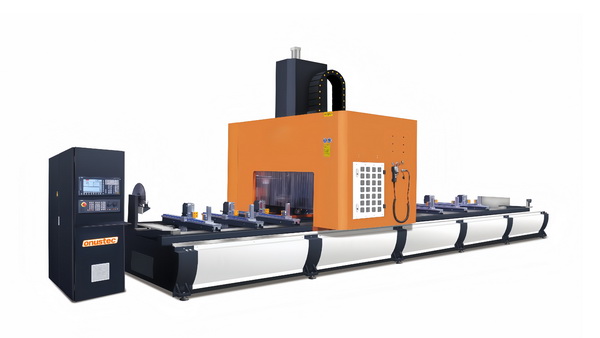
CNC milling machines are commonly used to machine parts by removing material from a workpiece using rotary cutters. The work envelope, defined by the machine's X, Y, and Z travel capabilities, plays a critical role in determining the maximum size of the part that can be machined. For instance, a standard CNC milling machine typically has a work envelope of 800mm x 500mm x 500mm, which means the part size must fall within these dimensions for successful machining.
While the Z-axis travel might be 500mm, certain parts may require shorter depths due to tool clearance and the complexity of the design features. For deep pockets or narrow grooves, the tool length may further limit the machining depth. By considering the machine’s work envelope when designing, you can ensure that the part fits within these spatial constraints without requiring multiple setups or adjustments.
When designing parts related to lathes, it is crucial to understand the maximum machining diameter and length of CNC lathes. Different types of lathes have varying size constraints. Below is a summary of the size limitations for common lathe types, helping designers better plan their parts.
| Lathe Type | Maximum Diameter | Maximum Length | Additional Features | Applications |
|---|---|---|---|---|
| Standard Lathe | 18 inches (457mm) | 39 inches (1000mm) | Single-spindle lathe | Suitable for medium to small parts, standard turning operations |
| Heavy Duty Lathe | 40 inches (1000mm) | 80 inches (2000mm) | High rigidity, multi-spindle operation | Suitable for large parts, precision turning, complex parts machining |
| Live Tool Lathe | 18 inches (457mm) | 39 inches (1000mm) | Equipped with live tooling, capable of milling, drilling, etc. | For complex parts requiring multi-functional machining, like aerospace or automotive components |
Tip: When selecting a lathe, ensure you choose the appropriate model, especially for large or complex parts, as heavy-duty and live tool lathes offer more machining flexibility and precision.
CNC drilling machines are designed to create holes in a workpiece. The primary constraint here is the machine's ability to handle plate sizes and thicknesses. Standard CNC drilling machines can accommodate plates up to 2400mm in length, 1000mm in width, and up to 60mm in thickness.
Material thickness and weight are key factors affecting drilling capabilities. For thicker plates, specialized equipment might be needed, as traditional drills may not reach the necessary depth or might lack the required cutting force. When designing parts with drilled holes, it's crucial to factor in these size limitations to avoid post-production adjustments.
In CNC machining, the smallest feature size that can be practically achieved is around 0.5mm in diameter. Features smaller than 2.5mm are typically considered micro-machining, which often requires specialized equipment like laser drilling or Electrical Discharge Machining (EDM). Parts with features smaller than 1mm may need to utilize advanced techniques and tools to achieve the required precision.
For designers, this means that when planning for micro-sized features, it's essential to ensure that the machines in use are capable of handling these dimensions. Tiny features can increase the cost and time of production due to the need for more specialized tools and equipment.
CNC machines, especially milling machines, have difficulty creating sharp internal corners. The rounded shape of the tools used in CNC machining makes it impossible to achieve perfectly sharp internal edges. Similarly, deep pockets can pose challenges because the tool may not reach deep enough to complete the required cuts efficiently, especially when the tool reaches its limit in terms of length or rigidity.
When designing parts with internal sharp corners or deep pockets, it’s crucial to avoid geometries that exceed the machine’s cutting depth or tooling capabilities. Shallow corners and smaller features help ensure that the part can be machined accurately within these limitations.
A common limitation in CNC machining, particularly when drilling holes, is the depth-to-diameter ratio. The general rule of thumb is that holes with a depth-to-diameter ratio of 3 to 5 times the diameter can be successfully machined. Going beyond this ratio can cause issues with tool deflection, vibration, and excessive wear, resulting in a lack of precision and quality. Designing holes with a smaller depth-to-diameter ratio ensures better machinability. If deeper holes are necessary, consider using specialized equipment, like deep-hole drilling machines, or adjust the design to reduce depth.The table below summarizes machining recommendations for different depth-to-diameter ratios.
| Depth-to-Diameter Ratio | Recommended Machining Method | Potential Challenges | Recommended Tools and Methods | Application Suggestions |
|---|---|---|---|---|
| 3:1 | Standard drilling or milling | No significant challenges | Standard drills, conventional cutting tools | Suitable for most standard hole machining |
| 5:1 | Deep hole drilling | May cause tool vibration and precision issues | Deep hole drills, reduced cutting speeds, specialized coolant | Suitable for parts requiring deeper holes, such as hydraulic systems or deep-hole components |
| 7:1 and beyond | Specialized deep hole machining or EDM | Tools may shift, hole diameter precision decreases | Specialized deep hole machining machines, EDM (Electrical Discharge Machining) | Suitable for ultra-deep holes, commonly used in aerospace or mold components |
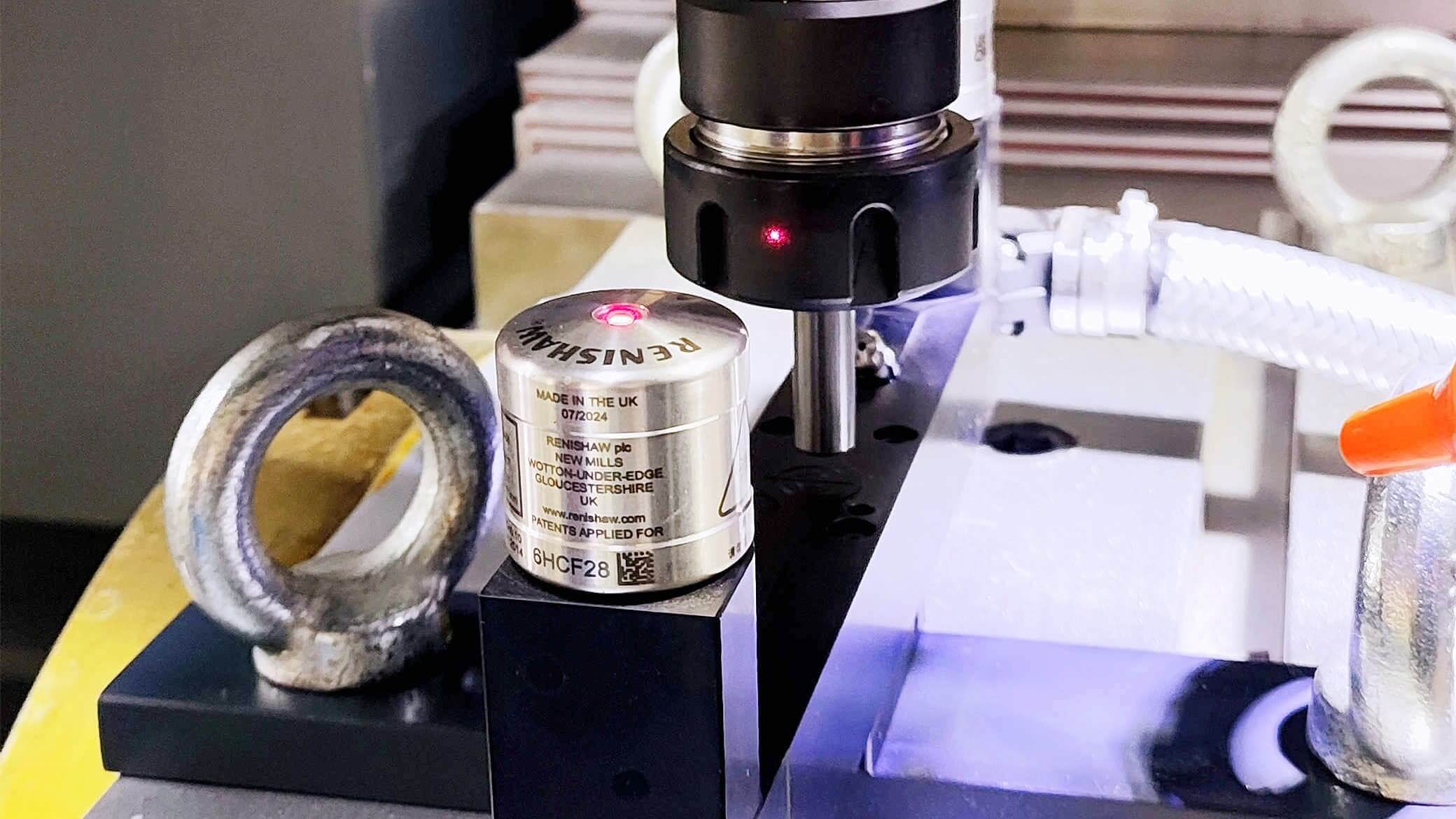
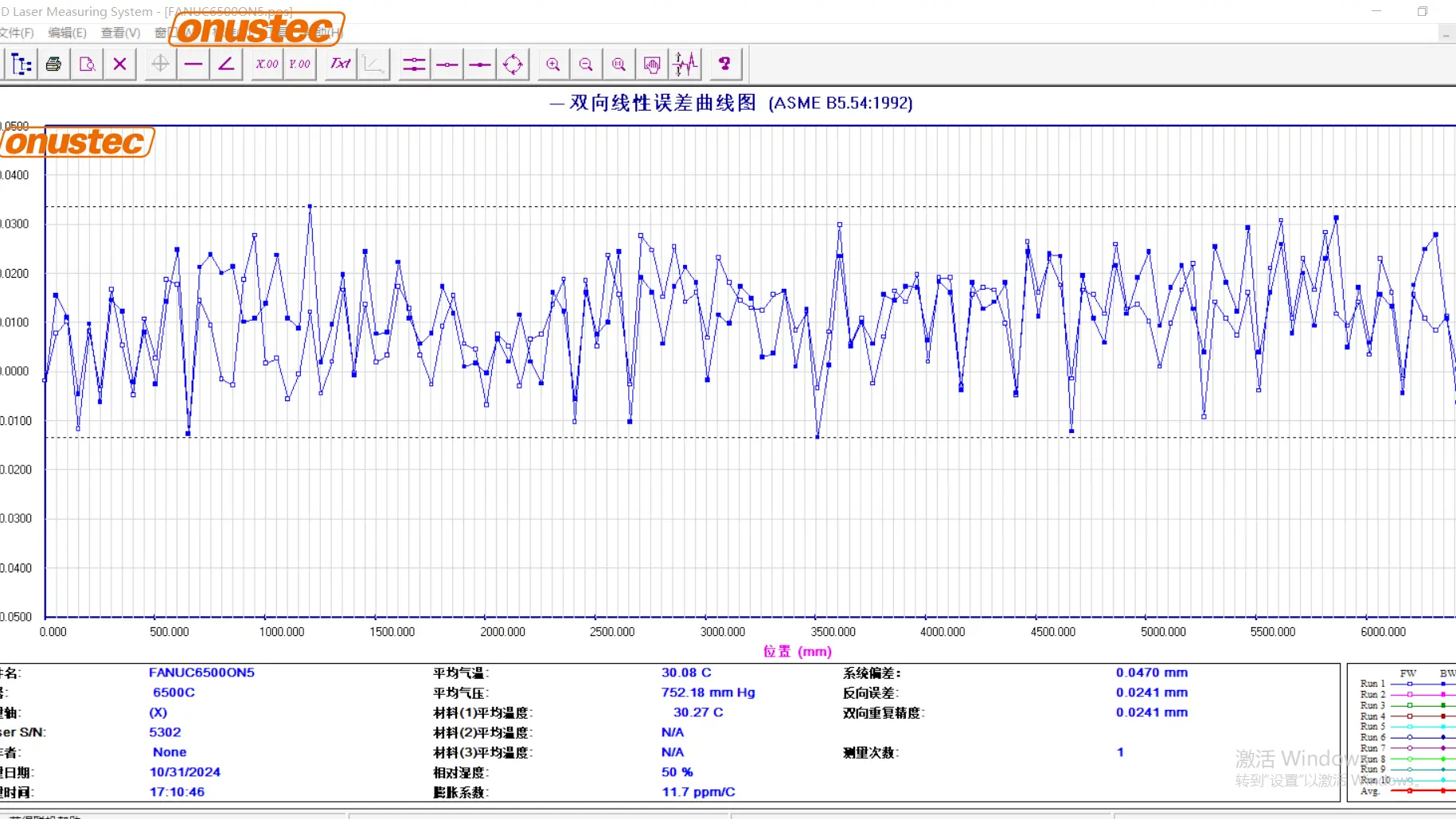
Machine precision directly affects the size and accuracy of CNC-machined parts. High-precision machines, such as those used in micro-machining, can achieve tighter tolerances than standard machines. However, tighter tolerances typically increase machining costs and lead times due to the need for slower cutting speeds and more precise measurements.
When designing parts with critical dimensions, it’s essential to select machines that can meet the required precision levels. Additionally, machine deflection and thermal expansion during machining can affect larger parts, making it crucial to account for these factors when designing precision components.
Tool reach is a key limiting factor in CNC machining when dealing with deep holes and complex features. Especially when machining deep slots or intricate shapes, the tool's reach can affect machining precision. The table below shows the tool reach limitations and their corresponding applications.
| Tool Type | Maximum Reach | Suitable Machining Depth | Common Applications | Tool Selection and Limitations |
|---|---|---|---|---|
| Standard End Mill | 150mm | Suitable for shallow to medium-depth slots or holes | General milling operations | Longer tool lengths may impact precision and tool life |
| Extended End Mill | 300mm | Can machine up to 300mm deep slots | Deep slot machining, turning parts | Suitable for deep slots or cuts but may cause tool deflection |
| Deep Hole Drill | 1000mm | Can machine holes up to 1000mm deep | Deep hole machining, aerospace parts | Long tool length requires additional support and stability |
Tip: For deep slots or holes, use appropriate tools and ensure the stability of the tool to avoid reduced machining precision or tool damage.
CNC machines with multiple axes—such as 4-axis and 5-axis machines—can handle more complex geometries than traditional 3-axis machines. These additional axes allow the part to be rotated or tilted, enabling machining from multiple angles without needing to reposition the part. This capability significantly expands the range of parts that can be produced.
When designing parts with complex geometries, consider whether a multi-axis CNC machine is required to achieve the desired shape. For example, 5-axis machines are ideal for parts with twisted or contoured surfaces, allowing for smoother machining and more intricate features.
Certain post-processing operations, such as media blasting or coating, may have size limitations due to equipment constraints. Larger parts might not fit in media-blasting cabinets, and custom racking might be necessary for parts larger than 3 meters that require anodizing, electroplating, or powder coating.
Designing parts with post-processing in mind can help prevent delays and additional costs. Ensure that your design fits within the size limitations of the post-processing equipment to avoid complications during these stages.
Achieving the desired surface finish and tolerance can be challenging when working with large parts. Larger parts typically require longer machining times, and the quality of the surface finish may vary depending on the size and tool choice. It’s essential to strike a balance between size and surface finish to meet the quality standards.
Designers should optimize their parts to fit within the machine's capacity while ensuring that tolerances are achievable within the available tools and time constraints.
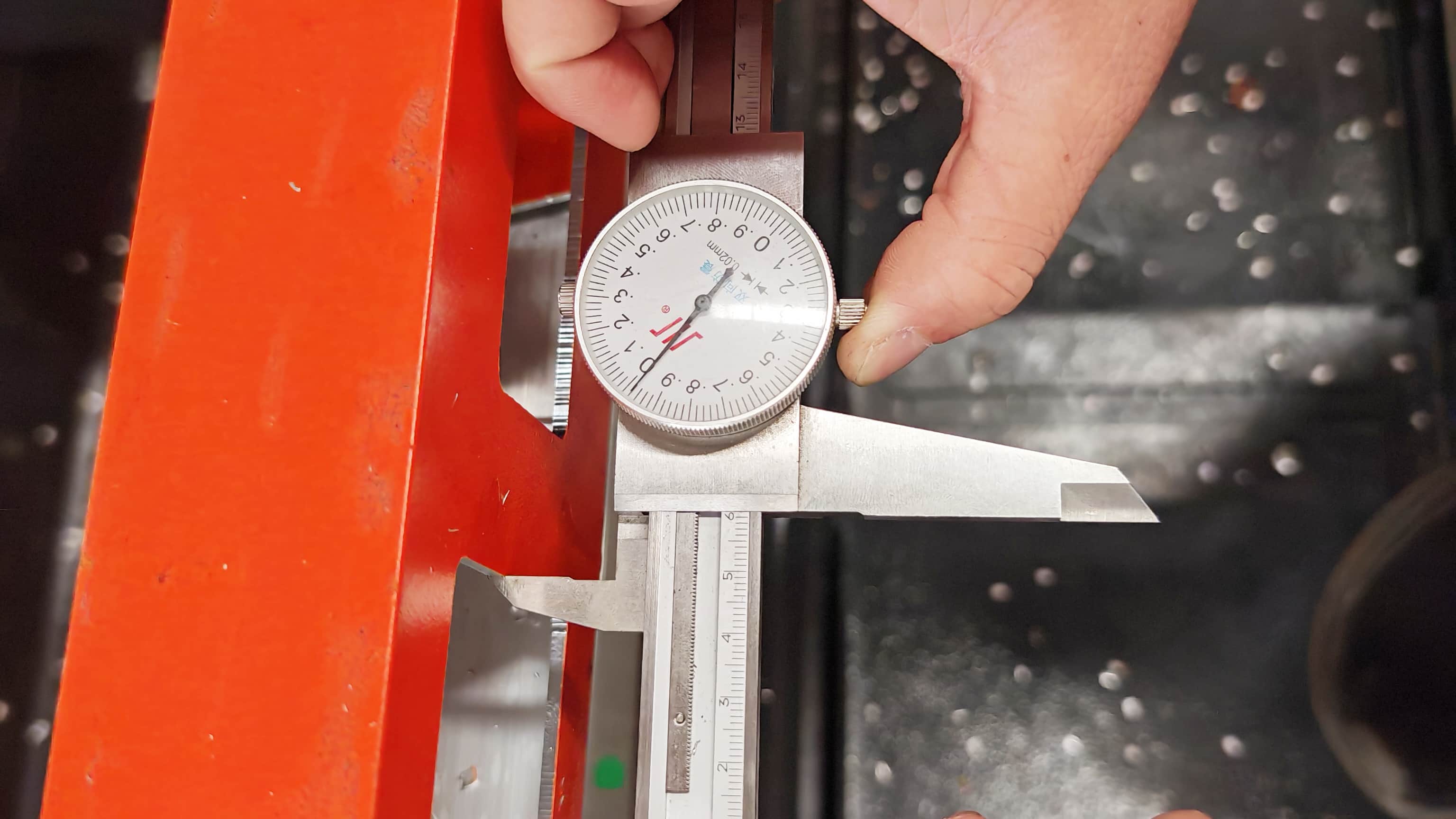
The material blank is the starting block used to create the finished part. The size of the material blank must be larger than the final part size to accommodate machining variances and tool clearance. Ensuring that the blank is appropriately sized reduces material waste and improves the overall machining process.
Designing parts with a slight increase in dimensions for the material blank ensures that there’s enough space for cutting away rough faces and machining intricate details.
Different materials have different machining characteristics that affect part size. For example, harder metals like titanium require specialized tools and slower machining speeds, while softer materials like aluminum are easier to machine at faster rates. Material thickness and rigidity also play a role in ensuring that parts remain stable during machining, especially for larger components.
Designing with the material properties in mind ensures that the part can be machined to the correct size without compromising accuracy.
Optimizing designs for CNC machining involves ensuring that the part fits within the machine's work envelope, minimizing the need for adjustments during production. The design should also account for the precision of the selected machine, ensuring that the desired tolerances are achievable.
Using high-precision machines and selecting the right cutting tools for specific features enhances machining accuracy. Reducing the complexity of deep features or intricate corners can further optimize the design for manufacturability.
For mass production, controlling part size and precision is critical for achieving efficiency. Oversized parts can cause production delays and increase costs, especially if multiple setups are required. Balancing production speed with part size ensures that large-scale production remains within budget and on schedule.
Designing parts with multiple setups in mind and minimizing the number of operations required helps optimize both production time and cost.
Standardizing part designs helps avoid exceeding the CNC machine’s limits. By selecting appropriate tolerance ranges and standard sizes, designers can streamline the production process and reduce the chance of delays or errors.
Using industry-standard dimensions and tolerances ensures that parts fit within the machine's specifications while optimizing manufacturability and reducing costs.
Understanding the size limitations of CNC machines is crucial for achieving optimal designs. By carefully considering machine work envelopes, tooling capabilities, and material constraints, designers can ensure high precision while minimizing production costs and time. Guangzhou Onustec Group Ltd. offers advanced CNC machining solutions, helping clients optimize their designs for manufacturability and cost-efficiency. Their products provide unmatched precision and are ideal for parts of all sizes, ensuring high-quality outcomes.
A: The size limitations of a CNC machine depend on the machine's work envelope, which defines the maximum dimensions of the part it can handle. For example, a standard CNC milling machine might have a work envelope of 800mm x 500mm x 500mm.
A: To design parts within CNC machine limitations, consider the machine's work envelope, tooling reach, and the type of CNC machine used. Ensure parts are sized appropriately to avoid the need for retooling or multiple setups.
A: Yes, CNC machines can handle large parts, but the maximum size depends on the machine type. For instance, large parts may require specialized CNC lathes or heavy-duty machines capable of handling larger diameters and lengths.
A: Material thickness and rigidity can influence CNC machining limitations. Harder materials may require slower cutting speeds and specialized tools, affecting the part size and machining process. Consider material properties when designing.
A: Tool reach can be a limitation because longer tools may flex or deflect, affecting machining accuracy. When designing deep or intricate features, it's essential to account for tool reach limitations to avoid inaccuracies in the final part.


